What is IELTS examination? A Simple Guide to the Test
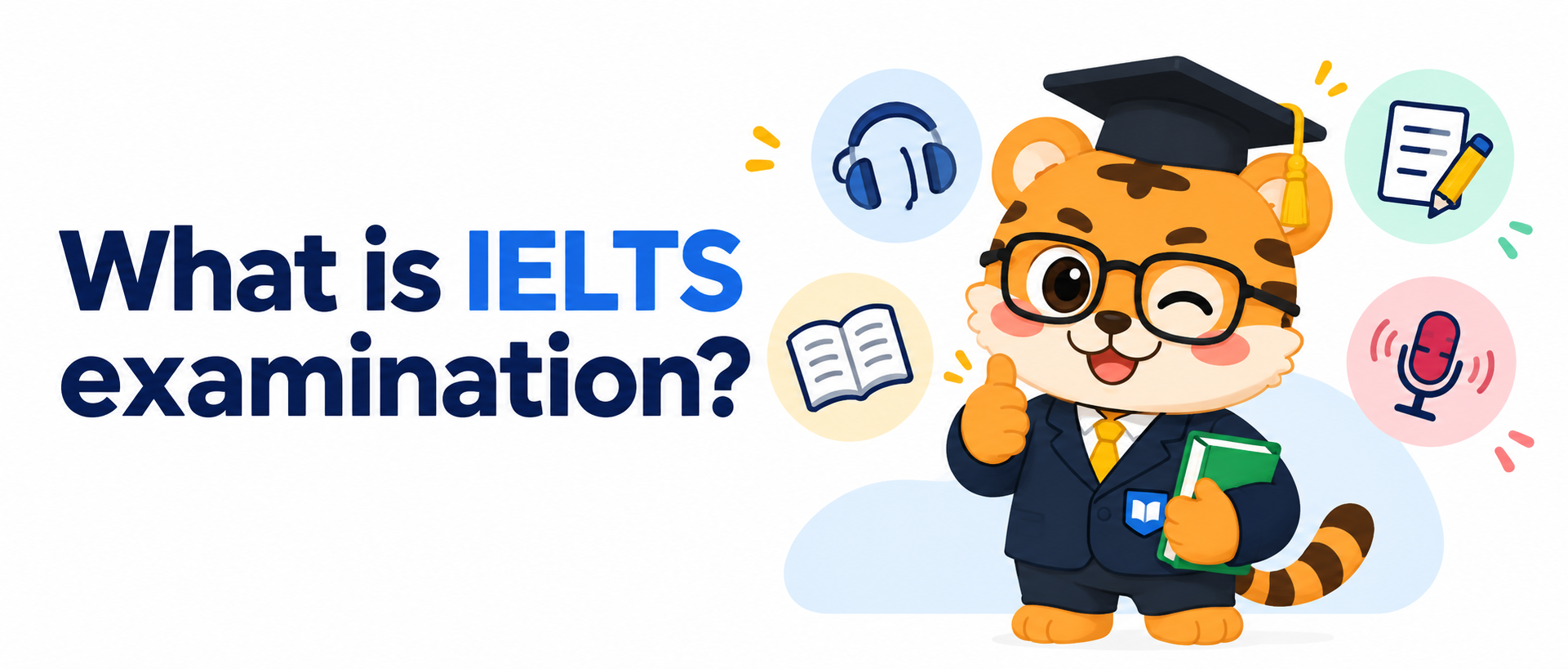
Many people search for what is IELTS examination when they first hear about studying, working, or moving abroad. IELTS is an English language test. It checks Listening, Reading, Writing, and Speaking. You do not receive only a pass or fail result. You receive a band score for each skill and an overall band score. Universities, employers, immigration offices, and professional bodies may all ask for IELTS, but their requirements can be different.
IELTS has four separate test sections
The four sections are Listening, Reading, Writing, and Speaking. Listening, Reading, and Writing are usually taken together. Speaking may be on the same day or on a nearby date. You may take the main test on paper or on a computer, depending on the available centre. The test focuses on using English in real situations, so it is not only a grammar quiz.
Listening has four parts, including daily conversations, educational situations, discussions, and talks. The recording is normally played once. Spelling, plurals, numbers, and the word limit can all affect your answer. Reading has 40 questions and asks you to understand longer texts, find details, and follow paraphrased meaning. Writing has two tasks, while Speaking is a live conversation with an examiner across three parts.
Academic and General Training serve different purposes
IELTS Academic is commonly used for university and postgraduate applications. Its Reading texts can discuss science, education, society, or other academic subjects. Academic Writing Task 1 usually asks you to describe a chart, process, or map, and Task 2 is an essay.
IELTS General Training is often used for work, training, migration, or everyday purposes. Its Reading materials can include notices, advertisements, workplace information, and general texts. General Training Writing Task 1 is usually a letter. The four skills are still tested, but the materials and tasks are not identical.
Some applicants may need IELTS for UKVI or IELTS Life Skills. These are not versions that everyone can choose freely. Check the exact requirement from the university, visa authority, or professional organisation before you pay for a test. Write down the test name, required overall band, and minimum score for each skill.
IELTS scores show each skill as well as the average
Listening and Reading scores come from the number of correct answers and are converted to bands from 0 to 9. Writing and Speaking are marked using scoring criteria. Your overall band is calculated from the four skill scores and may be reported as a half band, such as 6.5 or 7.0.
A high overall score does not mean every skill has the same score. You could have Reading 8.0 and Writing 6.0. If a university asks for an overall 7.0 with no skill below 6.5, both parts of the requirement matter. Check the application page carefully, including the test type, score deadline, and result validity period.
Preparation works better when you track the exact problem
New learners do not need to complete a full test every day. In Listening, practise locating answers, spelling, and recognising paraphrases. In Reading, record whether you misunderstood the text or found the right paragraph but chose the wrong option. Writing needs work on task response, paragraph development, and grammar. Speaking needs regular practice with pronunciation, fluency, and useful details.
If you want all four skills in one place, you can try YoushowIELTS, available at https://ielts.youshowedu.com. It offers Listening, Reading, Writing, and Speaking practice, with timed exercises, error review, and recording playback. Start with short tasks to learn the question types, then add full mock tests when you can manage the timing.
Check four details before booking
Confirm the test version, date, centre, and purpose before booking. Decide whether computer-delivered or paper-based testing fits your situation and check how the Speaking date is arranged. Your name and identity document details must match the document you bring to the test. Save the booking email, centre address, and test-day instructions.
IELTS is a structured English test with clear sections and scoring rules. Once you know which version you need and what score the organisation wants, your preparation becomes much easier to plan. The useful first step is matching the correct test to the real application requirement.
Continue this topic
Related reading and practice

Turn blog tips into your actual IELTS training flow
Don't just read tips. On the platform you can put speaking practice, real test drills and review into one steady prep rhythm.
- AI speaking mock practice
- Structured Cambridge IELTS practice
- Continue your personal prep rhythm after signing in
- Extend to writing feedback and question banks later