Is IELTS Hard for Native English Speakers? 3 Hidden Challenges
Is IELTS hard for native English speakers? It may sound like an easy test for someone who grew up speaking English. In practice, strong everyday English is an advantage, but IELTS also asks candidates to listen, read, write and speak within set tasks and time limits.
IELTS Academic includes Listening, Reading, Writing and Speaking. The official test information gives a total test time of about two hours and 45 minutes. Speaking usually involves a conversation with an examiner and lasts 11 to 14 minutes. Native speakers do not need to learn English from scratch, but they still need to understand the format, follow each instruction and show the skills the test assesses.
01 Fluency does not replace familiarity with the test
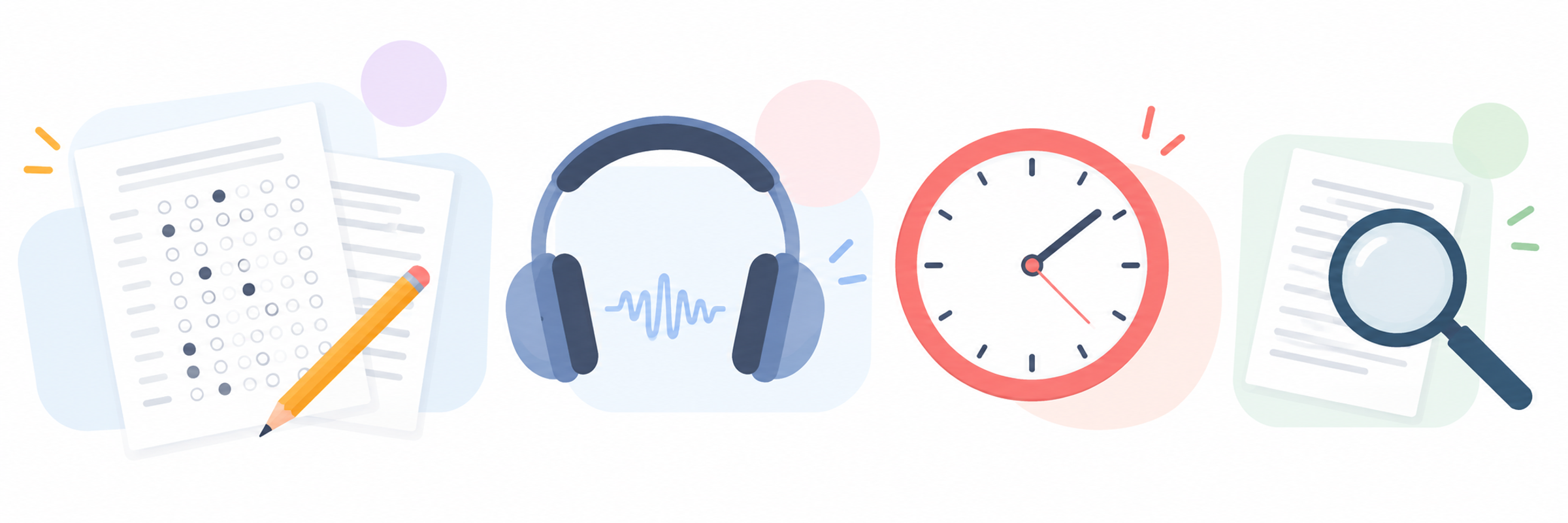
Everyday conversation is flexible. IELTS is more structured. Listening and Reading use specific question types, Writing has defined tasks, Speaking Part 2 asks you to prepare and speak on a topic, and Part 3 moves into broader discussion. Speaking English naturally does not automatically make these routines familiar.
A candidate may understand a recording but miss a word limit in the instructions. They may read a passage from beginning to end instead of locating the evidence efficiently. Or they may have plenty of ideas for an essay, only to run short of time before fully answering the question. These are not signs of weak English. They show that language ability and test technique are separate skills.
Native speakers may notice this later than other candidates because the language itself feels comfortable. A timed official sample test can make the difference visible. Note which section took too long, which task caused a mistake, and whether the issue was understanding, instructions or pacing. That gives you a useful starting point instead of relying on the feeling that you will probably be fine.
02 Speaking is about communication, not your passport
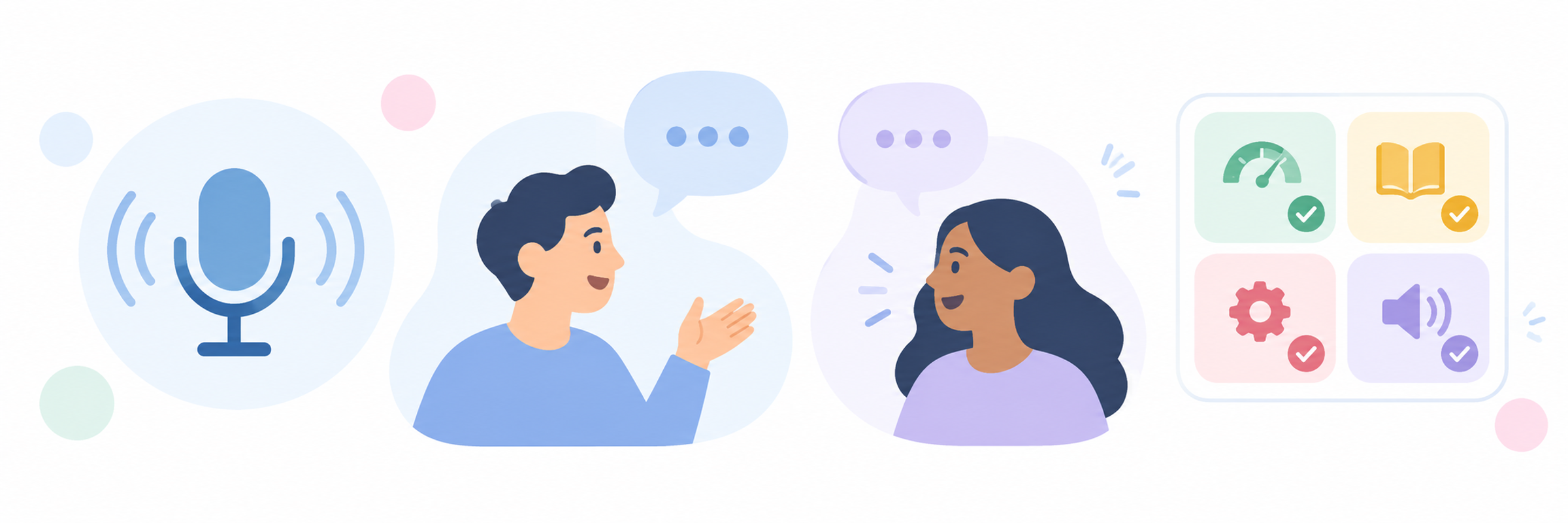
Native speakers often have an advantage in Speaking. They may understand questions quickly and express themselves naturally. But IELTS Speaking is not a test of whether someone sounds British, American or Australian. Its public criteria cover fluency and coherence, lexical resource, grammatical range and accuracy, and pronunciation. Pronunciation is about being understood without too much effort, not copying one particular accent.
Fluency alone does not make an answer complete. If a candidate is asked to describe an important decision and replies, “I changed jobs,” then stops, natural speech has not developed the topic. A long answer can also drift away from the question or jump between ideas without a clear connection. Part 2 gives you preparation time to organise a short talk, while Part 3 may ask you to explain reasons, compare changes or discuss wider effects.
Native speakers have habits to watch for too. They might use long sentences, repeat filler words, or answer casually when the task needs more development. In ordinary conversation, those habits may not get in the way. In an assessed interview, it helps to make a point, support it with a reason, and add an example when useful. Record a two-minute response and listen for relevance, clear progression and intelligible key words. This is more useful than memorising a list of impressive phrases.
03 Writing and Reading reward precision and good choices
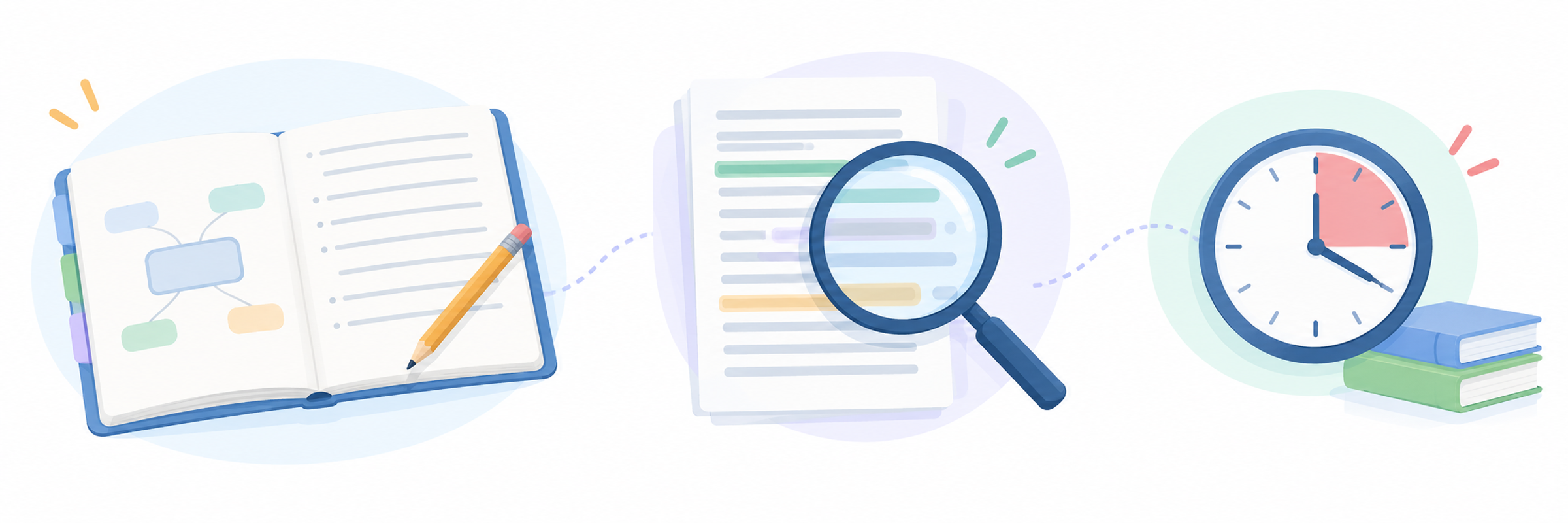
Writing can surprise native speakers. IELTS Writing Task 2 is not simply a fluent essay. You need to answer the question, state a position, extend relevant ideas and organise them clearly. The public assessment criteria cover task response, coherence and cohesion, lexical resource, and grammatical range and accuracy. A wide vocabulary helps only when it is used accurately and the response addresses the task.
There is also a time limit. Academic Writing contains two tasks in 60 minutes, and Task 2 carries more weight than Task 1. Some candidates write the opening quickly, then spend too long polishing the first task. Others add complexity to every sentence until the argument becomes harder to follow. Native intuition can make sentences come more quickly, but it does not plan paragraphs or leave time to check the response for you.
Reading is not a contest to recognise every word. Questions may paraphrase the text, so you need to locate the relevant passage, understand how its ideas relate, and follow the instruction closely. Pausing at each unfamiliar word is rarely a good use of limited time. In practice, mark the key limits in the question, find the matching evidence, and review errors by cause. Did you locate the wrong paragraph, misunderstand a comparison, or miss an instruction? That routine helps turn existing reading ability into more reliable test performance.
So how should a native English speaker prepare? Complete a timed practice set, review Speaking and Writing against the public band descriptors, and keep a simple record of error patterns in Listening and Reading. If you need IELTS for a university, job or visa application, check the receiving organisation’s requirements for test type, overall score and individual skills before booking.
If you choose IELTS and want one place to practise and review all four skills, Youshow IELTS offers Listening and Reading practice, AI Speaking simulations and feedback for Parts 1–3, computer-style Writing Task 1 and Task 2 practice, plus timing, word counts, intensive listening, shadowing and learning records. Visit the official website at https://ielts.youshowedu.com.
Is IELTS hard for native English speakers? It depends on the person. English ability gives you a head start, but a strong test performance also depends on understanding the tasks, managing time and staying consistent. Take one timed sample first, find your weak spots, and practise the areas that need attention. That is more useful than being told, “You will be fine,” and hoping it is true.
Thank you for reading. If this guide helped, feel free to share it with someone preparing for IELTS.
Continue this topic
Related reading and practice

Turn blog tips into your actual IELTS training flow
Don't just read tips. On the platform you can put speaking practice, real test drills and review into one steady prep rhythm.
- AI speaking mock practice
- Structured Cambridge IELTS practice
- Continue your personal prep rhythm after signing in
- Extend to writing feedback and question banks later