Is IELTS Difficult? 3 Challenges and How to Prepare [2026 Guide]
![Is IELTS Difficult? 3 Challenges and How to Prepare [2026 Guide]](/blog-covers/is-ielts-difficult-3-challenges-2026-guide/cover-en.png)
Before booking IELTS, many people search one short question, is IELTS difficult?
I understand why. The test fee, an application deadline and the study hours you can fit into each week are all part of the decision. Nobody wants to commit to an exam without knowing what they are getting into.
But “difficult” is not a simple yes-or-no label. IELTS assesses Listening, Reading, Writing and Speaking. The test takes about 2 hours and 45 minutes, as described in the official IELTS Academic test format, and results include an overall band as well as scores for each skill. Your target programme’s requirements and your current strengths can change how challenging the test feels.
Instead of judging IELTS as a whole, it helps to look at the specific parts that may be difficult for you.
01 IELTS difficulty depends on your target and starting point
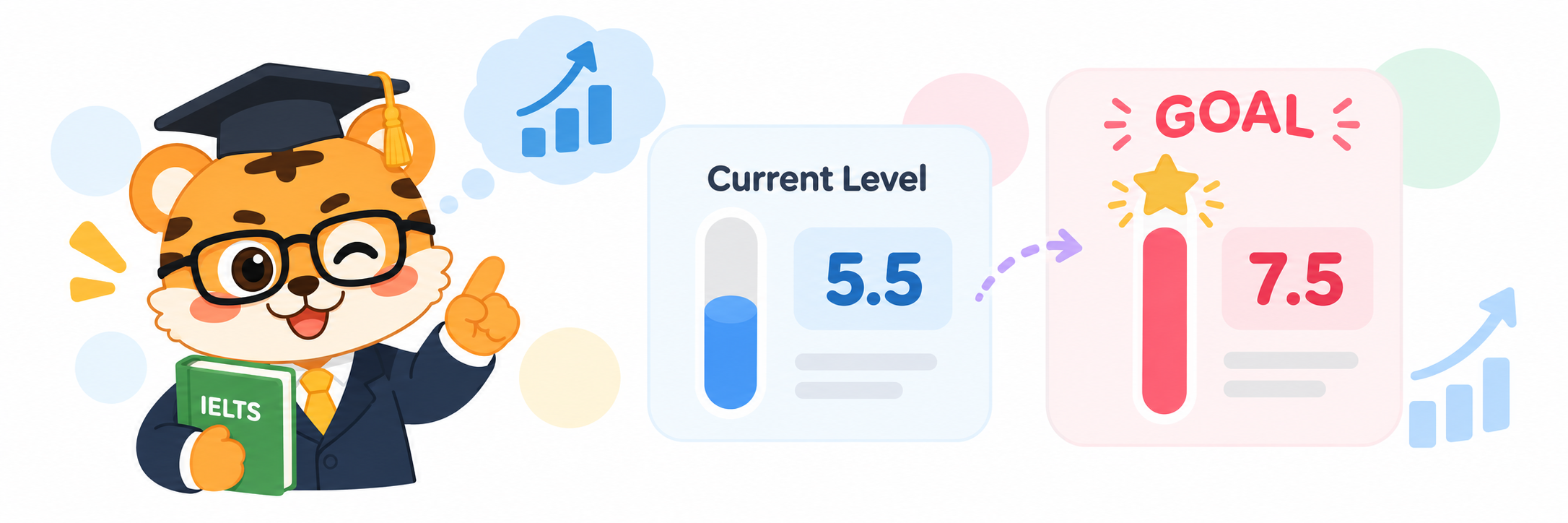
Preparing for an overall band 6.0 is not the same task as aiming for 7.5. A candidate who regularly reads in English may find it easier to settle into Reading and Listening. Timed writing can still be demanding because planning, grammar accuracy and finishing on time all compete for attention.
The reverse can also happen. Someone may be comfortable chatting in English but struggle to earn the Speaking score they need. IELTS assesses Fluency and Coherence, Lexical Resource, Grammatical Range and Accuracy, and Pronunciation. Being willing to speak is a good start. Developing a clear answer and responding to the actual question are separate skills.
The overall band is calculated from the four skill scores and rounded according to IELTS scoring rules. A university or other organisation may also set a minimum score for each skill. An overall score near your target does not guarantee that every section meets its requirement, so write down both the overall and individual scores you need.
Then complete one timed practice task in each skill. Note the result and the kind of task that slowed you down. Your target score is not a slogan to pressure yourself. It is a way to measure the gap between where you are and where you need to be.
02 Each skill creates a different kind of pressure

Listening can feel stressful because the recording keeps moving while you are still writing an answer. Spelling, plurals, numbers and paraphrases look like small details, but one missed answer can distract you from the next question. When reviewing a practice test, classify each error. Did you fail to hear the word, hear it without locating the answer, or spell it incorrectly? That gives your next practice session a clear focus.
Reading is often a race to find evidence. You do not need to understand every word, but questions may paraphrase the passage, and True/False/Not Given tasks require you to distinguish support from contradiction or missing information. Scanning for a matching keyword alone can lead you to the wrong line. After answering, return to the passage and mark the sentence that supports your choice. That is more useful than memorising one answer.
Writing is difficult because it combines task completion, organisation, vocabulary and grammar. Task 1 and Task 2 have different requirements, and Task 2 carries more weight in the Writing score. Discovering in the final paragraph that you have drifted away from the prompt is hard to fix by adding a few advanced words.
Speaking adds the pressure of responding in real time. Part 1 asks about familiar topics, Part 2 asks you to speak from a cue card, and Part 3 moves towards broader discussion. A prepared sentence may help you begin, but it cannot carry the answer if you have not understood a follow-up question. A clear reason and a relevant detail are often more valuable than making every sentence sound elaborate.
When people say IELTS is difficult, they may be describing a specific problem they have not identified yet. A missed word ending, a misread question, an essay that does not address the prompt, or a Speaking answer that stops after one sentence are different issues. They need different kinds of practice. They do not all prove that your English is simply bad.
03 Turn one diagnostic practice into your next study plan
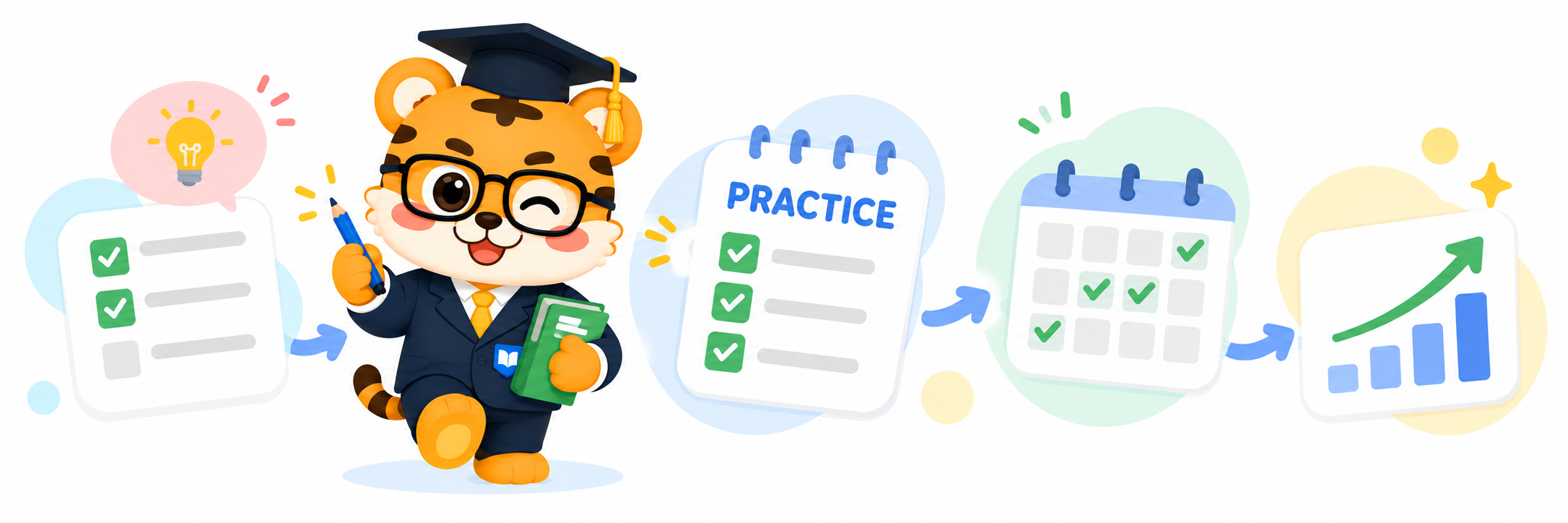
If you are unsure where to start, try an official IELTS sample test. IELTS provides sample questions and practice resources for Academic, General Training and other test types. Work within the time limit, save a recording of your Speaking practice and keep your original Writing response. Avoid checking answers while you are working.
Review the results by skill. Classify Listening and Reading errors. For Writing, check whether you met the task requirements and compare your response with the published assessment criteria. For Speaking, listen for whether you answered the question and explained your point clearly. “I am bad at this section” is not actionable. “I keep missing paraphrases in matching questions” gives you something you can practise today.
You do not have to divide every study session equally across all four skills. If Reading and Listening are steady but Writing keeps landing in the same range, spend more time getting feedback and revising. If you frequently pause when recording yourself, start with shorter answers and gradually extend them. This can feel awkward at first, and reviewing errors may be slower than starting a new test, but it helps you see whether practice is changing anything.
If you want to practise and review the four skills in one workspace, you can explore Youshow IELTS. It offers Listening and Reading practice organised around the Cambridge IELTS 8–20 question-bank structure, AI Speaking simulations and post-practice feedback for Parts 1–3, and computer-style Writing Task 1 and Task 2 practice with timing and word counts. It also includes intensive listening, shadowing, learning records and preparation tools such as a band calculator. The official website is https://ielts.youshowedu.com.
Practice feedback, estimated scores and mini mock results can help you review your study and plan your next session. Your official IELTS result is reported by the test provider. Keep preparing against the requirements of the organisation you are applying to.
So, is IELTS difficult? It can be, especially if you need a high band, have uneven skills and practise without a clear plan. Once you identify the task types that cost you marks, use official sample materials to check your level and aim each study session at a specific weakness, the pressure becomes easier to understand and manage.
Thank you for reading. If this guide helped, feel free to share it with someone preparing for IELTS.
Continue this topic
Related reading and practice

Turn blog tips into your actual IELTS training flow
Don't just read tips. On the platform you can put speaking practice, real test drills and review into one steady prep rhythm.
- AI speaking mock practice
- Structured Cambridge IELTS practice
- Continue your personal prep rhythm after signing in
- Extend to writing feedback and question banks later